Residential Fire Restoration in Austin, TX
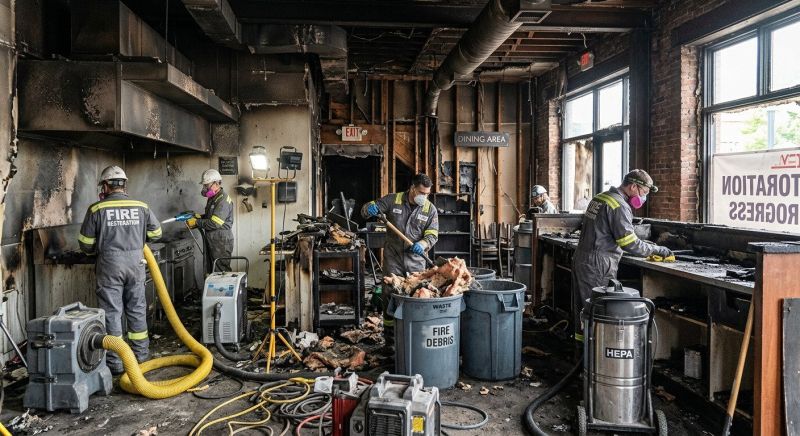
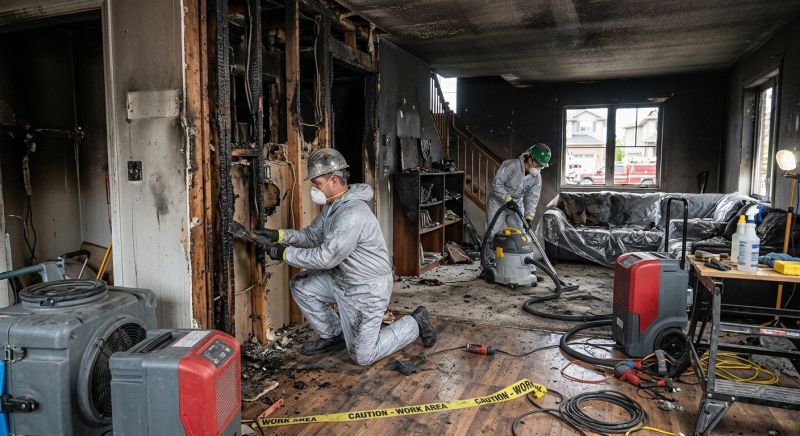
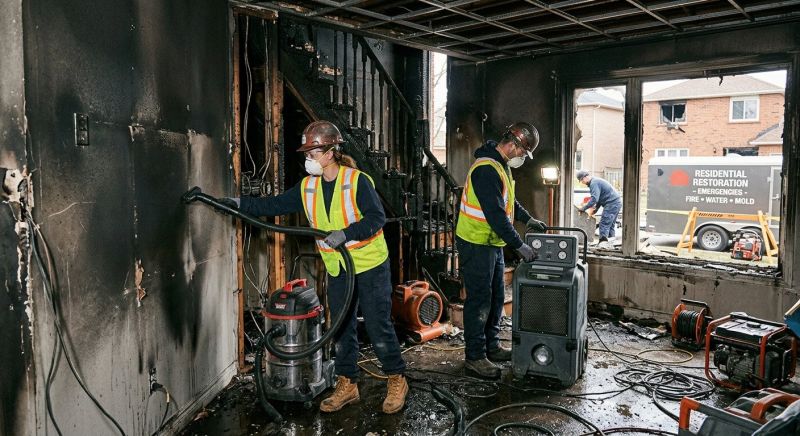
Residential fire restoration services involve the process of repairing and restoring homes affected by fire damage. This typically includes addressing structural issues, cleaning smoke and soot residues, removing water used during firefighting efforts, and restoring or replacing damaged materials such as drywall, flooring, and cabinetry. These projects can vary widely, from small smoke damage cleanup to extensive structural repairs after a significant blaze. Property owners often seek this service to return their homes to a safe, habitable condition while minimizing secondary damage and preventing mold growth caused by water or smoke infiltration.
Before requesting fire restoration services, homeowners usually want to understand the scope of work involved, the types of damages covered, and the expected outcomes. It’s important to assess the extent of fire, smoke, and water damage, as well as any potential hazards like weakened structures or lingering odors. Property owners should also inquire about the process of removing soot, deodorizing affected areas, and restoring the home’s original condition. Clear communication about these aspects helps ensure that the restoration process aligns with expectations and addresses all necessary repairs effectively.
Many property owners in Austin, TX look into Residential Fire Restoration for repairs, replacements, upgrades, and appearance-related improvements.
Fire Damage Assessment
Comprehensive evaluations identify the extent of fire and smoke damage to residential properties.
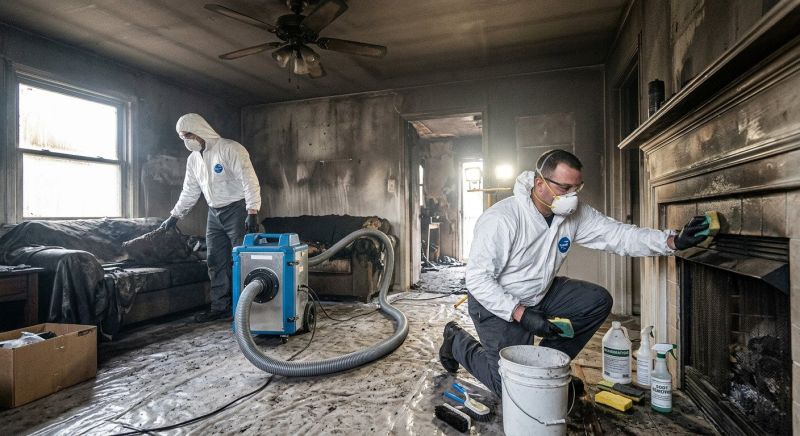
Smoke And Soot Removal
Specialized cleaning techniques restore indoor air quality and eliminate lingering odors after a fire.
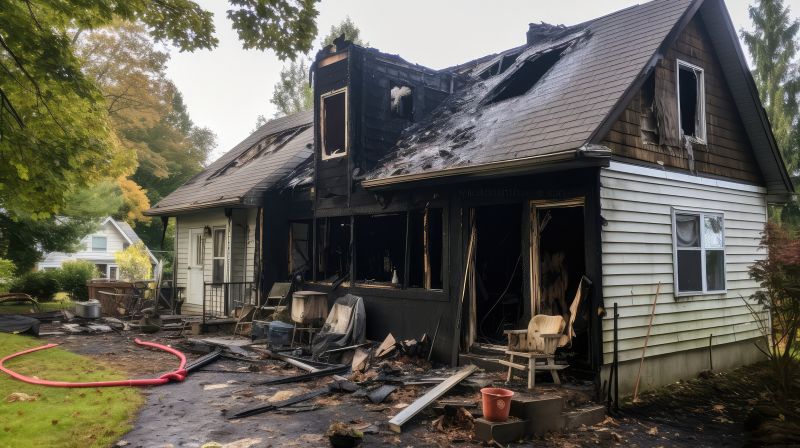
Structural Repair And Restoration
Restoration services repair damaged frameworks and rebuild affected areas to restore home safety and integrity in austin, tx.
Residential Fire Restoration in Austin, TX

Residential fire restoration services involve the process of repairing and restoring homes affected by fire damage. This typically includes addressing structural issues, cleaning smoke and soot residues, removing water used during firefighting efforts, and restoring or replacing damaged materials such as drywall, flooring, and cabinetry. These projects can vary widely, from small smoke damage cleanup to extensive structural repairs after a significant blaze. Property owners often seek this service to return their homes to a safe, habitable condition while minimizing secondary damage and preventing mold growth caused by water or smoke infiltration.
Before requesting fire restoration services, homeowners usually want to understand the scope of work involved, the types of damages covered, and the expected outcomes. It’s important to assess the extent of fire, smoke, and water damage, as well as any potential hazards like weakened structures or lingering odors. Property owners should also inquire about the process of removing soot, deodorizing affected areas, and restoring the home’s original condition. Clear communication about these aspects helps ensure that the restoration process aligns with expectations and addresses all necessary repairs effectively.
Many property owners in Austin, TX look into Residential Fire Restoration for repairs, replacements, upgrades, and appearance-related improvements.
Common Residential Fire Restoration Jobs
Fire Damage Cleanup - removal of soot, smoke, and debris from affected areas.
Structural Drying - drying and dehumidification of damaged walls, floors, and ceilings.
Content Restoration - cleaning and restoring personal belongings and furnishings.
Odor Removal - deodorization treatments to eliminate lingering smoke odors.
Smoke Damage Repair - repair and repainting of surfaces affected by smoke residue.
Reconstruction Services - rebuilding and repair of fire-damaged structures and features.
Residential Fire Restoration Questions
What types of fire damage are commonly addressed in restoration services? Restoration services typically handle smoke residue, soot cleanup, structural damage, and odor removal after residential fires.
Is it necessary to remove all fire-damaged materials? Yes, damaged materials that cannot be restored are usually removed to ensure safety and proper cleaning.
What steps are involved in the fire restoration process? The process includes assessment, debris removal, cleaning, odor treatment, and repairs as needed.
Can fire restoration services help with smoke odor removal? Yes, specialized cleaning and deodorization techniques are used to eliminate smoke odors from affected areas.
Request Residential Fire Restoration in Austin, TX
Use the quote form on this page to share the basics of your project and request more information for the type of work you need.